
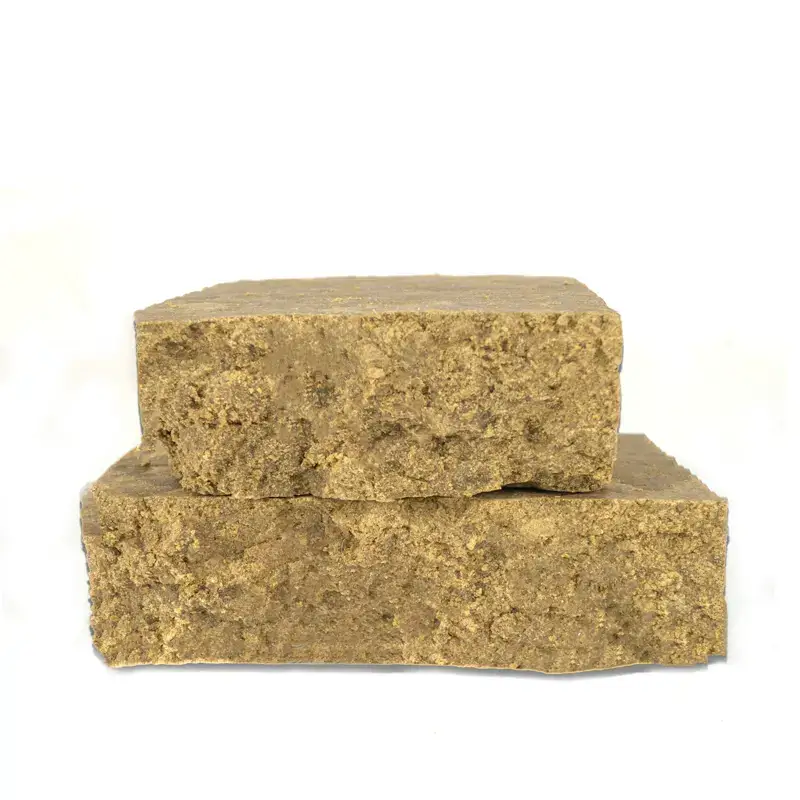
Blonde Lebanese Hash: A Guide to the Gold Standard of Traditional Hashish
Few cannabis concentrates command as much respect as Blonde Lebanese Hash. Connoisseurs prize its sandy color, smooth smoke, and balanced cerebral high. This traditional hashish represents the pinnacle of old‑world craftsmanship.
Lebanon’s Bekaa Valley has long stood at the center of hash production. In this guide, we explore the rich history, unique characteristics, and cultural significance of Blonde Lebanese hash. You will also learn why it remains a coveted product among enthusiasts worldwide.
What Defines Blonde Lebanese Hash?
Blonde Lebanese hash—often called “Lebanese Blonde”—is a solventless cannabis concentrate from Lebanon. It differs sharply from darker Moroccan hashish or black, hand‑rubbed Nepalese temple balls. Its light tan to golden‑yellow exterior gives it the “blonde” name.
The color reveals the traditional processing method. Producers harvest resin glands (trichomes) through dry sieving. They then press the resin with minimal heat. This technique preserves delicate terpenes. Consequently, the final product feels pliable yet firm, often showing marbling when broken open.
The Bekaa Valley: Where It All Began
To understand Blonde Lebanese hash, you must look at Lebanon’s geography. The Bekaa Valley sits between the Mount Lebanon and Anti‑Lebanon mountain ranges. Its climate provides ideal conditions for cannabis cultivation.
Cannabis cultivation in the region dates back centuries. Historically, hash production operated as a family trade. Generations passed down knowledge of drying and sieving. During the 1960s and 1970s, hash from this region gained international fame. In fact, it became a staple of the counterculture movement before geopolitical conflicts disrupted the trade.
Traditional Production: A Labor‑Intensive Craft
Authentic Blonde Lebanese hash requires precision and patience. Producers follow a multi‑step traditional method. Moreover, each step relies on techniques refined over generations.
Selecting the Right Genetics
Farmers grow specific landrace strains for hash production. Lebanese Sativa and Lebanese Indica have evolved over centuries to produce high resin yields. As a result, these genetics form the foundation of authentic blonde hash.
Harvesting and Drying
Plants destined for hash mature fully. Growers harvest the entire plant and let it dry completely. This differs from sinsemilla (seedless) flower production. Additionally, the slow drying process preserves resin integrity.
Dry Sieving
Workers beat or sift dried flowers and sugar leaves over fine silk screens. This separates trichome heads from plant material. The resulting powder is kief. Because this step uses no solvents, the final product remains entirely chemical‑free.
Pressing and Binding
Artisans place the collected kief into molds—historically wool or silk. They apply pressure slowly. Sometimes they add a small amount of water or tea to help bind the resin. However, authentic blonde hash relies on the resin’s natural stickiness rather than additives.
Aging
After pressing, blocks often age for several months. Aging allows slow oxidation. Consequently, this mellows chlorophyll harshness and develops the complex, spicy flavor profile.
Identifying Quality: Appearance and Aroma
True Blonde Lebanese hash is easy to recognize when you know what to look for.
Color: It displays a pale blonde, golden, or light brown shade. If it appears too dark or black, it is likely a different variety or adulterated.
Texture: When properly cured, it feels semi‑soft and crumbles easily. A flame makes it bubble slightly—a sign of purity. In contrast, sizzling would indicate moisture or contaminants.
Aroma: The scent profile is earthy and spicy. Connoisseurs often note hints of cinnamon, sandalwood, cedar, and subtle floral sweetness. Notably, it lacks the heavy “skunky” smell of modern high‑THC flowers.
Flavor and Effects: A Balanced Experience
For those who appreciate cannabis concentrates, Blonde Lebanese hash offers a distinct experience. First, the smoke is famously smooth. Because it is a concentrate with no plant matter, the hit is less harsh on the throat. Second, the high is exceptionally balanced.
Traditional Lebanese hash provides a clear‑headed, euphoric cerebral buzz. At the same time, it delivers gentle body relaxation. Therefore, it works well for social settings, creative work, or daytime use when you want to stay functional yet relaxed.
Comparison: Blonde Lebanese vs. Other Traditional Hashes
Understanding how blonde Lebanese hash differs from other classic concentrates helps you appreciate its unique place in cannabis culture.
Feature Blonde Lebanese Moroccan (Polm) Charas (Nepalese/Indian)
Color Light Blonde / Gold Light Brown / Beige Dark Brown / Black
Texture Semi‑hard, crumbly Dry, powdery Soft, oily, pliable
Method Dry sift (aged) Dry sift Hand‑rubbed live resin
Flavor Spicy, earthy, woody Sweet, floral Pungent, fruity, herbal
High Balanced, social Mild, relaxing Heavy, sedative
As shown, blonde Lebanese hash occupies a middle ground in texture and effect. For instance, it offers more complexity than Moroccan polm but remains less sedative than charas.
A Legacy in Cannabis Culture
Blonde Lebanese hash holds a sacred place in cannabis history. In particular, it was the hash of choice for many artists, musicians, and writers during the 20th century. The famous “Lebanese Blonde” track by Thievery Corporation immortalized this product in popular culture. Accordingly, the song highlighted its reputation as a refined, upper‑echelon concentrate.
Unfortunately, political instability in Lebanon over the past 50 years has made authentic, imported Blonde Lebanese hash rare in Western markets. At the same time, modern indoor cultivation and solvent‑based extracts (like BHO and live resin) have shifted consumer focus.
Modern Revival: The Solventless Movement
Today, the legacy of Blonde Lebanese hash lives on through the “solventless” movement. Specifically, many modern rosin pressers and bubble‑hash makers aim to replicate its flavor profile and effects. They do so by washing old‑school genetics.
If you cannot access imported hash, look for “Lebanese‑style” hash from artisan producers in legal markets. These modern versions often use the same landrace genetics and dry‑sift techniques. As a result, they produce a blonde, crumbly concentrate that honors the tradition.
Conclusion
Blonde Lebanese hash is more than a cannabis product. Rather, it is a piece of living history. It represents a time when hashish was an art form—relying on sun, soil, and human skill rather than industrial machinery.
Whether you are a seasoned connoisseur seeking a taste of the old world or a curious newcomer exploring the roots of cannabis concentrates, the smooth, spicy, and balanced nature of blonde hash offers an experience worth seeking.