
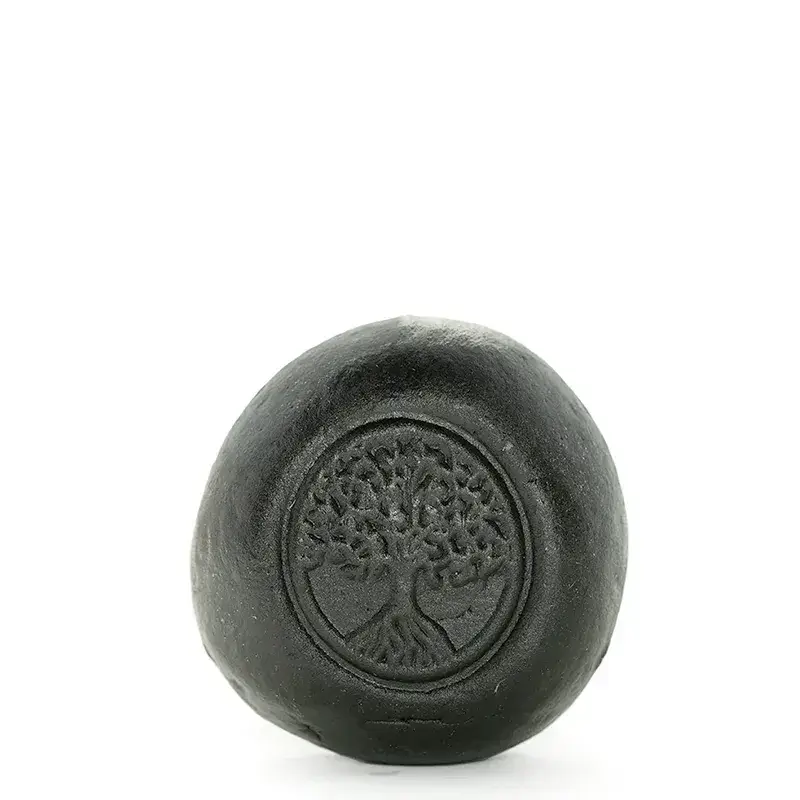
Temple Ball Hash Price
Many people search for temple ball hash price to understand the real cost of this traditional cannabis concentrate. However, the price changes depending on quality, origin, production method, and market demand.
Temple ball hash uses traditional hand-rolling methods, and producers often create it in small batches. Because of this, prices vary widely between different sources. Understanding these differences helps buyers avoid overpaying and identify fair value.
What Determines Temple Ball Hash Price
Several factors affect temple ball hash price. Each one directly influences how sellers set their prices in the market.
Quality of the Product
Quality plays the biggest role in pricing. High-quality resin produces stronger effects, better aroma, and smoother texture. Sellers price these products higher because they require better material and careful processing.
Lower-quality hash uses less refined resin. It often feels drier and delivers weaker effects, so it costs less.
Origin and Region
Origin strongly influences value. Traditional regions like Nepal or Himalayan areas often produce more expensive temple ball hash.
These regions use old techniques passed through generations. Because of this cultural value and craftsmanship, products from these areas usually cost more.
Potency Level
Potency also affects price. Stronger hash with higher cannabinoid content delivers more intense effects. Sellers usually charge more for high-potency products because demand is higher.
Production Method
Hand-rolled temple ball hash requires time and skill. Producers work slowly to shape and cure the resin properly.
Since this method is labor-intensive, it reduces supply. Lower supply usually increases price.
Supply and Demand
Market conditions also change temple ball hash price. When demand rises but supply stays limited, prices increase. When supply becomes stable, prices usually drop or level out.
Average Temple Ball Hash Price
Temple ball hash price changes based on quality level.
Low-quality options usually cost less because they contain more plant material and deliver weaker effects. These products are more common but less refined.
Mid-range options offer better balance. They provide stronger aroma, better texture, and more consistent effects. Many users prefer this level because it offers good value.
Premium temple ball hash costs more because it uses high-quality resin and careful production. It delivers stronger potency and better overall experience.
Rare or craft products sit at the highest price level. Producers make them in small batches using traditional methods. Their limited availability increases demand and price.
Bulk Temple Ball Hash Price
Buying larger quantities usually lowers the cost per gram.
A single gram often costs more per unit. However, when buyers purchase larger amounts, sellers reduce the price per gram.
Seven grams or an ounce usually gives better value compared to small purchases. Because of this, regular users often choose bulk options to save money over time.
Why Temple Ball Hash Can Be Expensive
Temple ball hash costs more than many other concentrates because of how producers make it.
Producers hand-roll most temple ball hash instead of using machines. This process takes more time and requires skill. Because of this, production stays limited.
Limited supply increases value. At the same time, many users prefer traditional hash for its natural production style. This demand pushes prices higher.
In addition, temple ball hash carries cultural and historical importance. Many people view it as a premium, traditional product, which also supports higher pricing.
How to Identify Fair Pricing
Buyers should understand what fair pricing looks like before making a decision.
A fair product usually comes with clear information about origin, texture, and quality. It should also have a natural aroma and a soft, slightly sticky consistency.
Cheap products without clear details often signal low quality. Buyers should be careful when sellers do not provide transparency about origin or production.
Comparing different sellers helps buyers understand average market prices and avoid overpriced options.
Temple Ball Hash vs Other Hash Types
Temple ball hash differs from modern hash types because of its traditional production style.
Bubble hash uses ice water extraction. Producers create it using modern techniques that result in a cleaner product, but it lacks the traditional hand-rolled character.
Dry sift hash comes from separating trichomes using screens. It often has a powder-like texture and feels less refined.
Temple ball hash stands out because producers shape it by hand. This gives it a more artisanal quality and stronger cultural identity.
Final Thoughts on Temple Ball Hash Price
Temple ball hash price depends on several factors, including quality, origin, potency, and production method.
Lower-priced options exist, but they often deliver weaker quality. Premium options cost more but usually provide better aroma, smoother texture, and stronger effects.
Understanding these differences helps buyers make better decisions and recognize real value in the market.
What is temple ball hash price?
Temple ball hash price refers to the cost of this traditional concentrate, which depends on quality, origin, and production method.
Why does temple ball hash price change?
Prices change because of differences in quality, potency, supply, and production techniques.
How much does temple ball hash cost on average?
It can range from low-cost options to premium pricing depending on quality and origin.
Why is temple ball hash expensive?
It is expensive because producers make it by hand, in small batches, using traditional methods.