
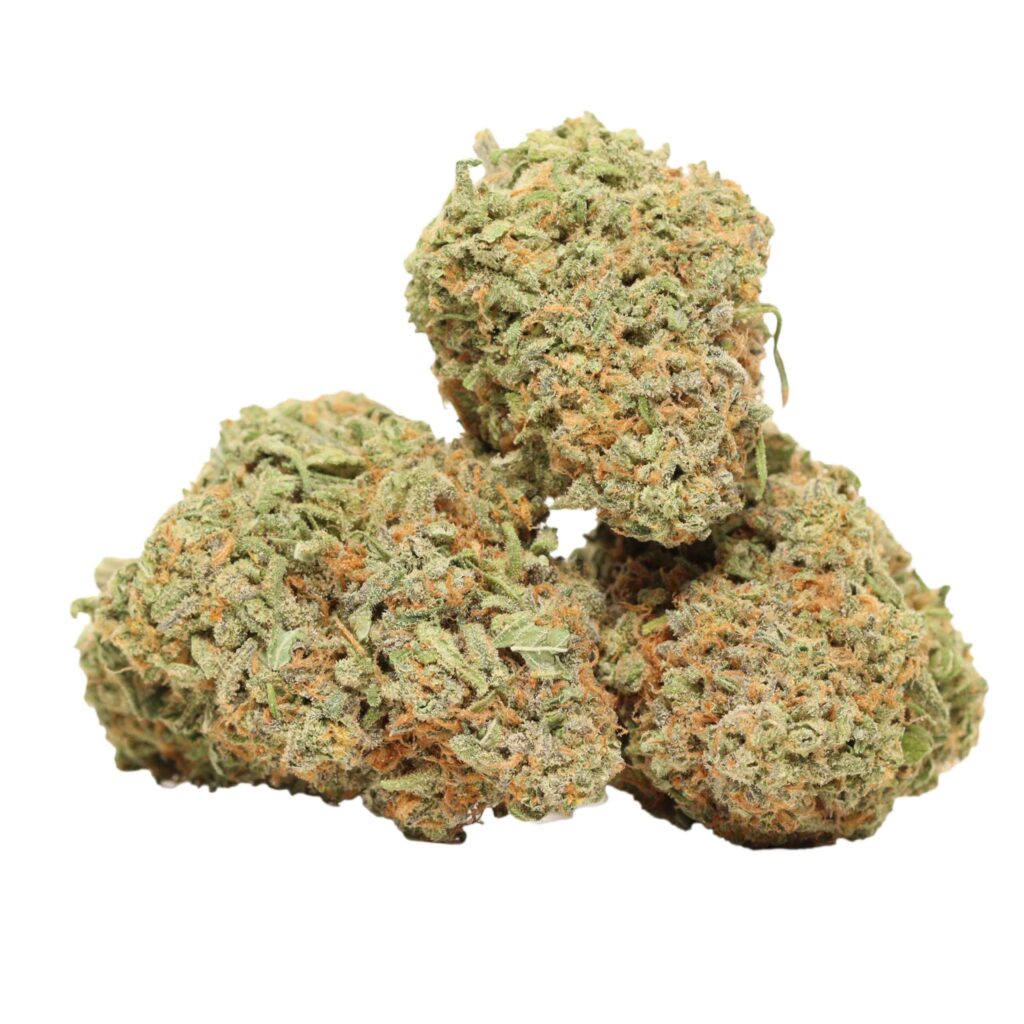
Cannabis Effects: Benefits, Side Effects, and What You Need to Know
Cannabis has become one of the most widely discussed natural substances in health and wellness. Whether used for relaxation or medical purposes, the effects of cannabis vary depending on the strain, dosage, and individual tolerance. Therefore, understanding how it works is essential for making informed and responsible decisions.
What Is Cannabis?
Cannabis is a plant that contains active compounds known as cannabinoids. The most well-known of these are THC (tetrahydrocannabinol) and CBD (cannabidiol). While THC is responsible for the psychoactive effects, CBD is often associated with calming and therapeutic properties. Together, these compounds interact with the body’s endocannabinoid system, which regulates mood, pain, appetite, and sleep.
Short-Term Effects of Cannabis
The short-term effects of cannabis depend largely on how it is consumed. For example, smoking or vaping produces faster results, whereas edibles take longer to activate. However, the overall experience can vary from person to person.
Common Effects
- Relaxation and euphoria
- Altered sensory perception
- Increased appetite
- Pain relief
- Improved mood
Possible Negative Effects
On the other hand, some users may experience unwanted effects, especially at higher doses:
- Anxiety or paranoia
- Dry mouth and red eyes
- Impaired memory and coordination
- Increased heart rate
Long-Term Effects of Cannabis
When used over an extended period, cannabis may have both positive and negative impacts. In particular, frequency and potency play a major role in determining long-term outcomes.
Potential Benefits
For instance, many users report therapeutic advantages such as:
- Chronic pain management
- Reduced anxiety with appropriate strains
- Improved sleep quality
- Support for certain medical conditions
Potential Risks
However, long-term use is not without concerns:
- Cannabis dependence
- Reduced cognitive performance with heavy use
- Respiratory issues when smoked
Effects of Cannabis on the Brain
Cannabis directly influences brain activity, especially in areas linked to memory, coordination, and pleasure. THC binds to receptors in the brain, which leads to the characteristic “high.” In contrast, CBD interacts more subtly and may help reduce anxiety.
As a result, higher doses of THC can temporarily impair short-term memory and decision-making. Nevertheless, occasional use may have less pronounced effects compared to chronic exposure.
Cannabis Effects on Mental Health
The relationship between cannabis and mental health is complex. In some cases, it can provide relief; however, in others, it may worsen existing conditions.
Positive Effects
- Stress reduction
- Mood enhancement
- Relief from certain anxiety-related symptoms
Negative Effects
Conversely, some individuals may experience:
- Anxiety or panic attacks
- Worsening of depression
- Increased risk of psychosis in vulnerable users
Physical Effects of Cannabis
Beyond mental effects, cannabis also impacts the body. For example, it is widely known for its ability to relieve pain and promote relaxation.
Additional physical effects include:
- Reduced inflammation
- Increased appetite
- Muscle relaxation
At the same time, some users may experience dizziness or fatigue, particularly with stronger strains.
Cannabis and Sleep
Many people use cannabis as a sleep aid. In particular, certain strains are known for their calming properties. As a result, users often report falling asleep faster and experiencing deeper rest.
However, excessive use may interfere with natural sleep cycles over time. Therefore, moderation is important when using cannabis for sleep support.
Factors That Influence Cannabis Effects
Not everyone experiences cannabis in the same way. Several factors contribute to the overall effect, including:
- Dosage and potency
- Method of consumption
- Individual tolerance
- Body chemistry
- Environment and mindset
Because of these variables, it is important to start with a low dose and adjust gradually.